Genito-Urinary Medicine in the East of England

Welcome to the GU Medicine pages for the East of England.
Genito-Urinary (GU) Medicine is a dynamic and patient-centred specialty focused on diagnosing and treating sexually transmitted infections (STIs), managing HIV, and providing contraceptive care. The field offers a diverse clinical experience, from rapid testing and treatment to long-term patient support and the management of complex medical cases. It also includes specialised services such as young people’s clinics, sexual dysfunction treatment, genital dermatology, and outreach programs for vulnerable populations, including sex workers and drug users. Beyond clinical care, GU Medicine plays a crucial role in public health by monitoring STI and HIV trends, contributing to surveillance data, and implementing prevention strategies. The specialty is primarily outpatient-based, delivered in community settings, and closely collaborates with dermatology, gynaecology, urology, and infectious disease services. Additionally, there are extensive opportunities to develop special interests in clinical practice, teaching, or research.
Training in the East of England
Within the East of England there are two genitourinary medicine training posts in Cambridge and Norwich. For each post a trainee will be based at a single site for the duration of training enabling them to be fully integrated into their department.
While training is provided at the 2 centres, there are strong links within and outside the region allowing for opportunities and experience in differing clinic settings and for diverse patient groups.
What does training involve?
GUM is a group 1 specialty and leads to dual accreditation with Internal Medicine. It is a four-year training programme which consists of 36 months of GU medicine and 12 months of Internal medicine (split over the 4-year programme). There are a range of options for gaining the internal medicine experience. For more information please access the following document and navigate to page 3.
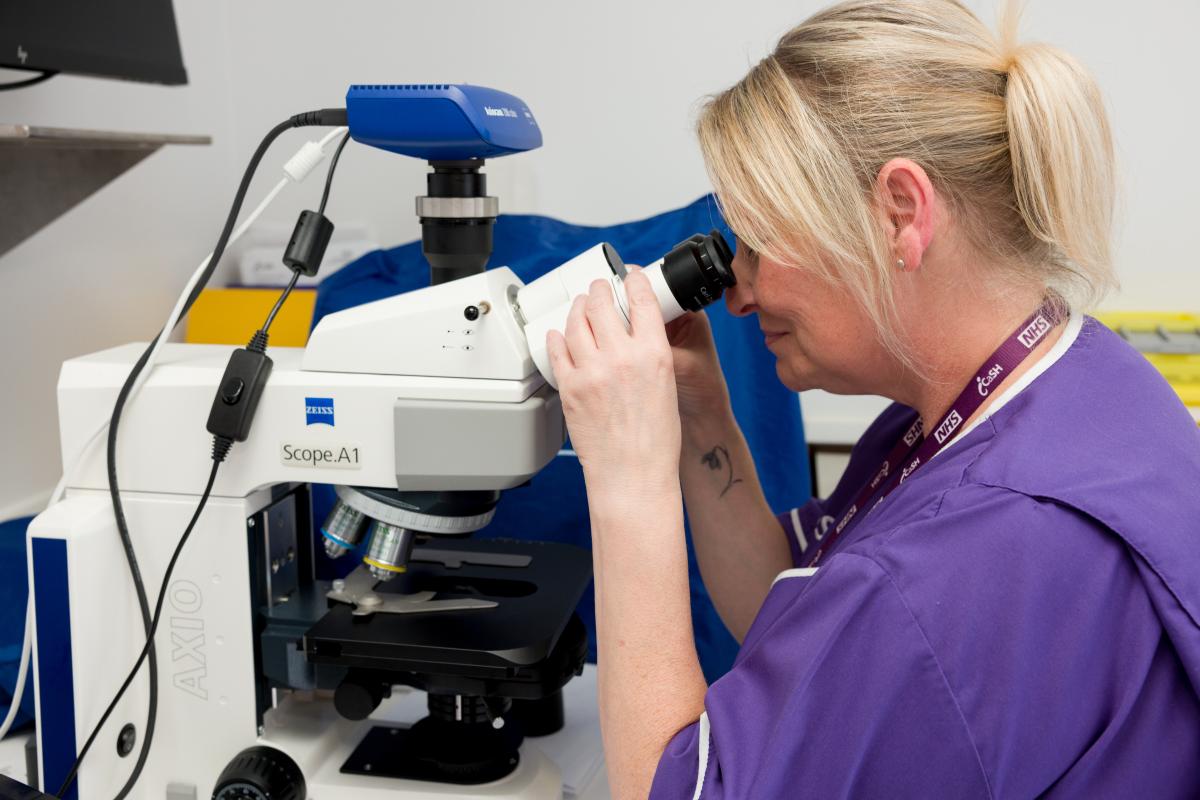
Training can be delivered in a variety of settings including hospitals, day care facilities and the community. The GUM element includes gaining competencies in GU Medicine, HIV Medicine and Contraception by completion of training.Training also involves additional competencies in Obstetrics and Gynaecology, Laboratory & Pathology, Dermatology, and Palliative and end of life care.
Further information on the curriculum is available at the following website.
How do I apply?
To apply for GUM you will need to have completed IMT3 (or equivalent) and have achieved MRCP. You will also need to demonstrate an understanding of what the specialty involves and some evidence of commitment (such as attending taster sessions or undertaking a relevant project). If you would like guidance with your application for higher speciality training in genitourinary medicine, please contact our training programme directors as below.
How can I find out more or arrange a taster?
You can contact Dr Edwards by e-mail (details below) and she will be able to let you know about any taster days or put you in touch with your local clinic, or contact your local clinic directly.
Training locations
iCaSH Cambridge
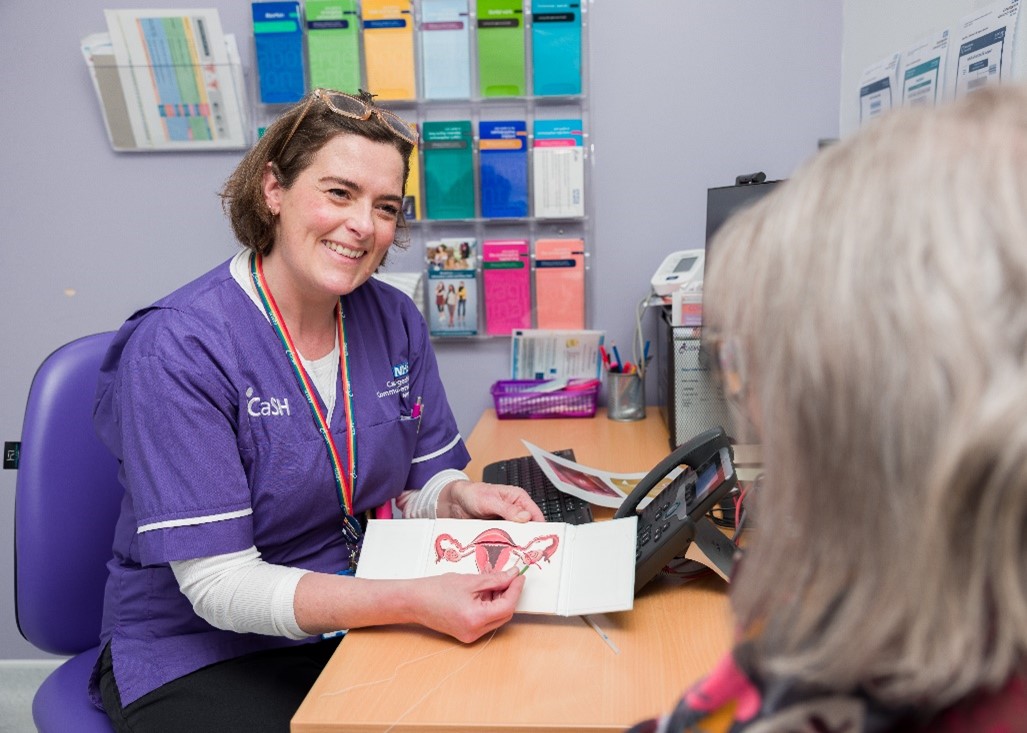
Training is community based at Lime Tree Clinic, with HIV clinics and ward rounds and general medical experience at Addenbrooke’s Hospital. The clinic provides integrated Contraception and Sexual health services. Additional HIV experience is arranged with a London in patient unit.
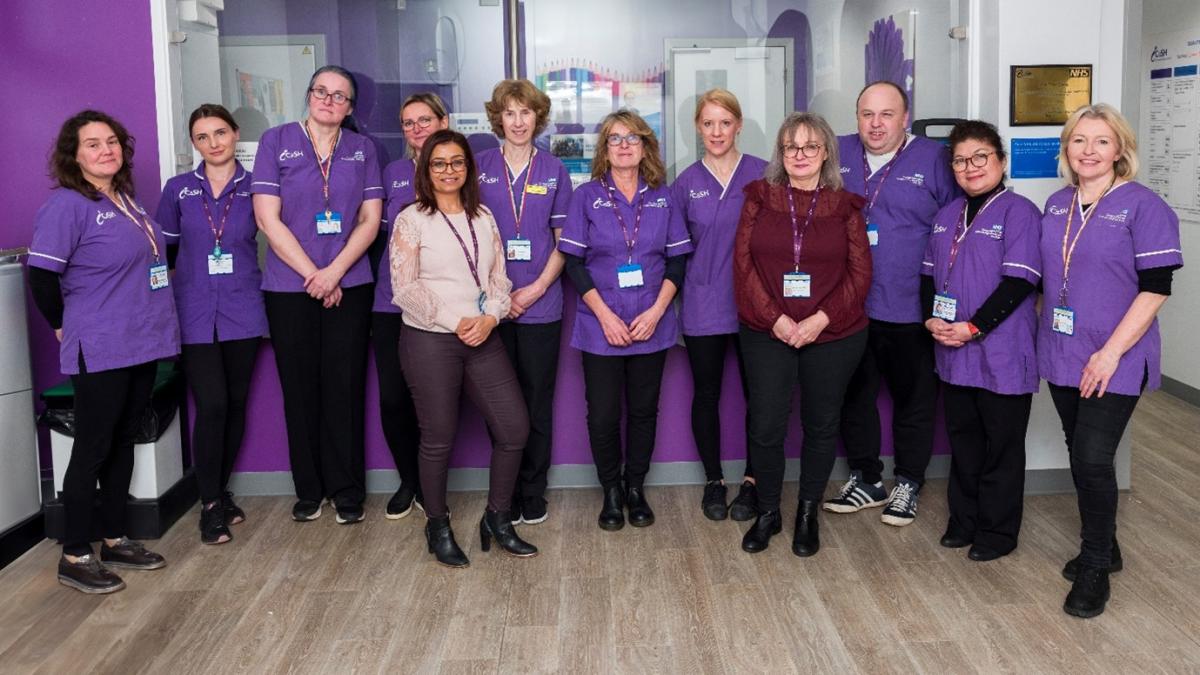
The medical staff of the department consists of three consultants, one associate specialist, 3 part time/sessional specialty doctors, one Specialist trainee in Genitourinary medicine and a Specialist trainee in CSRH. There are close links with infectious diseases, gynaecology, dermatology, urology and microbiology etc. There are regular internal and external educational meetings.
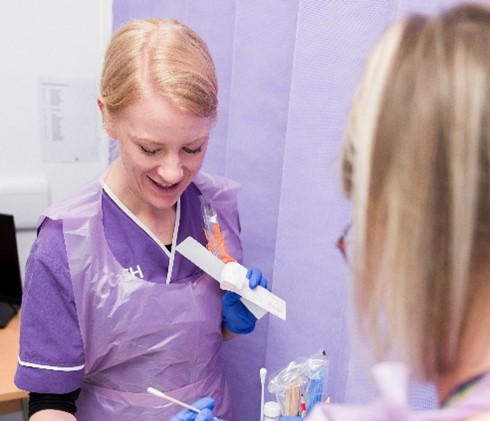
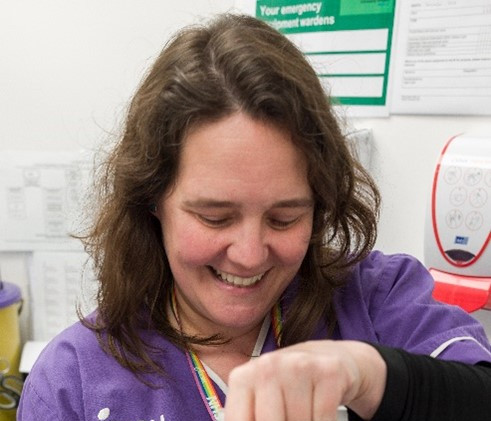
The department deals with a wide range of Genito-urinary problems, with HIV care delivered at Addenbrookes and also at the iCaSH clinic in Huntingdon.
iCaSH Norwich
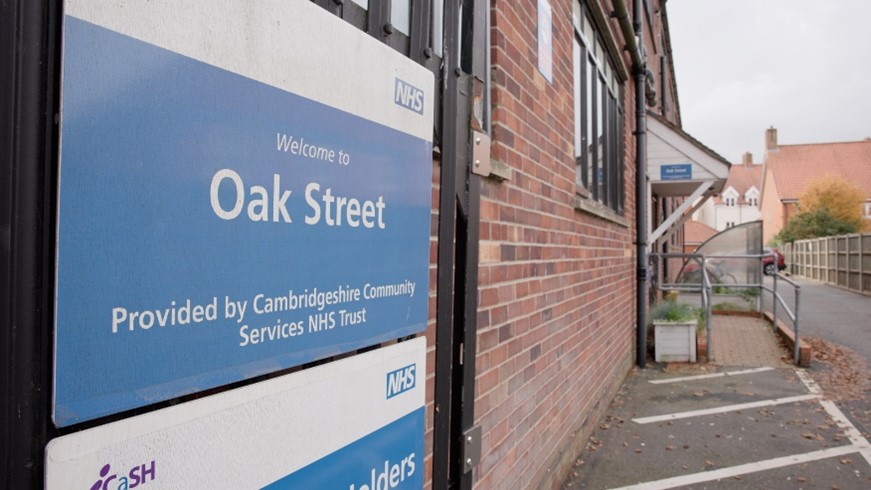
Training is currently based at Rowan house throughout the four years with an inpatient block in London to develop inpatient HIV competencies. The clinic provides integrated Contraception, Sexual Health and HIV services. The medical staff of the department consist of 2 GUM/HIV Consultants, 2 FSRH Consultants, 4 Speciality Doctors and a CSRH trainee.
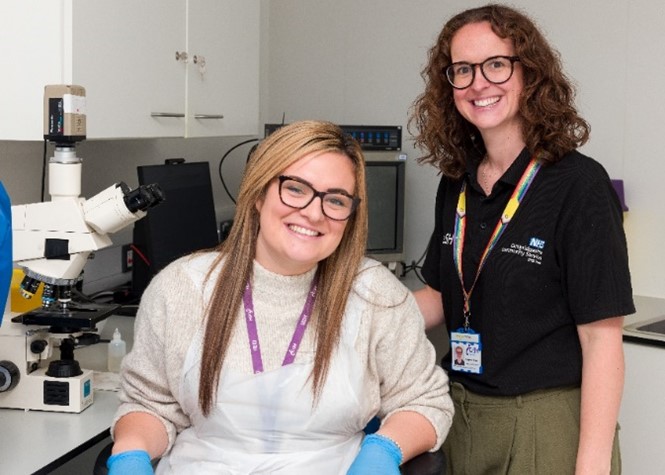
This is one of the busiest GU Medicine Departments in the region with a wide range of GU training opportunities. The HIV service runs clinics on most days with stable HIV patients as well as new diagnoses and transfers into the service. There are close links with Dermatology, Respiratory Medicine, Microbiology, Obstetrics, Gynaecology and Hepatology within the Acute Trust. HIV patients are admitted locally under a designated Respiratory Consultant. The service is one of the Regional HIV Network Centres with a monthly HIV Network Meeting as well as a weekly HIV MDT to discuss complex cases. There are regular internal and external educational meetings via Teams and face to face.
|
Name |
Position |
Location |
|
Dr Sarah Edwards sarah.edwards6@nhs.net |
Training Programme Director |
iCaSH Bury St Edmunds, Abbey View Clinic |
|
Dr Hannah Pintilie |
Consultant |
iCaSH Norwich, Rowan House |
|
Dr Nelson David |
Consultant |
iCaSH Norwich, Rowan House |
|
Dr Claudia Krause |
Consultant |
iCaSH Cambridge, Lime Tree Clinic |
|
Dr Holly Donson |
Co-Training Programme Director |
iCaSH Cambridge, Lime Tree Clinic |
|
Dr James Edwards |
Head of School of Medicine |
Health Education England, Working Across the East of England |
|
Jai John Jose
|
School of Medicine Administrator |
Norfolk and Norwich University Hospitals NHS Foundation Trust |
Other resources
Detailed guidance on the Genito-Urinary Medicine assessment blueprint and curriculum is available from the JRCPTB website.
As a specialty we have a very friendly and active specialist society - British Association for sexual Health and HIV (BASHH), which is promoting the specialty. Further information can be found on the following website.
- Completion of a core medical training programme or equivalent.
- Documented evidence of achievement of level 1 competencies in general internal medicine (acute) and generic curricula.
- MRCP Part I, but note that full MRCP with PACES is highly desirable, and essential for progression from ST3 to ST4.
Detailed guidance on the Genito-Urinary Medicine assessment blueprint and curriculum is available from the JRCPTB website.