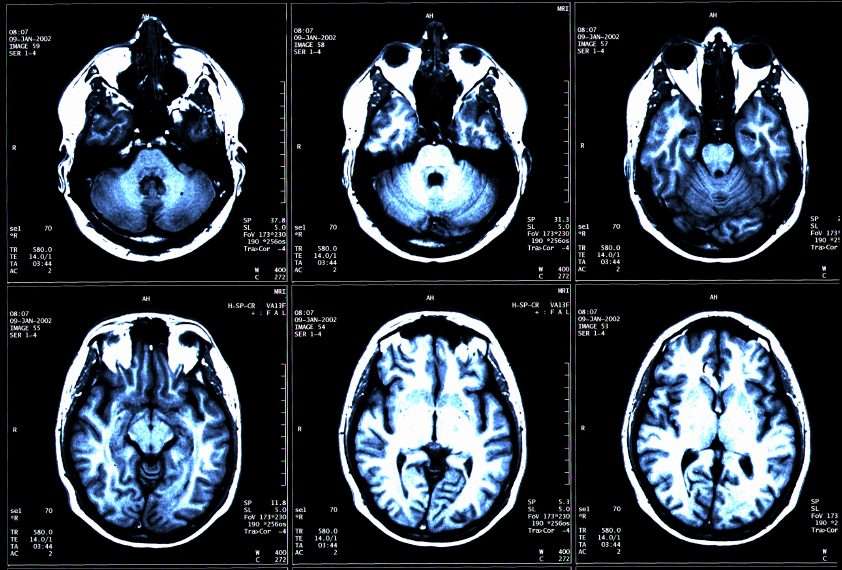
 Neurological surgery is a discipline which deals with the diagnosis, evaluation and treatment of pathological processes which affect the brain, spinal cord and peripheral nerves, as well as the cranium and spinal column.
Neurosurgery includes the operative, non-operative, intensive care management and rehabilitation of patients with disorders affecting these structures. The regional neurosurgical unit is based at Addenbrooke's Hospital, Cambridge. The catchment population is 2.4 million and expanding as a consequence of recent boundary changes and joint appointments of consultant neurologists to Addenbrooke's and district general hospitals outside our traditional catchment area. There are 86 adult beds including 16 critical care beds. Consultants within the department have sub-specialised and special interests cover the following areas:
- Tumours of the cerebello-pontine angle and skull base
- Pituitary tumour
- Cerebrovascular diseases, including aneurysm surgery and carotid endarterectomy
- Disorders of CSF circulation
- Complex and simple spinal surgery
- Paediatric neurosurgery
- Stereotactic neurosurgery (including stereotactic radiotherapy).
The workload of the department is increasing and in 2006/07 there were 3,400 Neurosurgical admissions and 2,565 Neurosurgical operations were performed. There are four operating theatres and 36 sessions covered by consultant anaesthetists. The theatres are fully equipped for modern neurosurgical practice (operating microscopes, image guided surgery, CUSA, high speed drills, stereotaxic frame, spinal instrumentation, image intensification etc.). The hospital is equipped with a full range of imaging equipment including MRI, CT, DSA, PET and isotope scanning. Interventional radiology has been established for the treatment of aneurysms and AVMs.
Training Programme
The eight year program comprises seven years in clinical neurosurgical posts and in one of the years, trainees are encouraged to undertake options e.g. overseas fellowships, subject to approval by the training committee.
The trainees will gain experience in all aspects of neurological surgery as outlined in the training program and under the auspices of the SAC. Formal assessments will be carried out annually with separate reports going to the postgraduate dean and the SAC in neurological surgery.
Essential Qualifications for Entry
Trainees appointed to the program through the National Neurosurgical Selection Board currently hosted by the Yorkshire and Humberside Deanery. They will have completed foundation training and have gained the necessary competencies.
We also have academic trainees and there are currently, two academic clinical fellows and two clinical lecturers.